

Dry January Is Over: Here's How to Keep Drinking Less All Year Long
Dry January is done. You crushed it : 31 days without alcohol, clearer mornings, better sleep, maybe even a few pounds lighter. And now? February hits and suddenly that momentum you built feels fragile. The real challenge isn't giving up alcohol for a month. It's figuring out how to drink less when there's no trendy hashtag holding you accountable.
Here's the truth: most people who complete Dry January fall back into old habits by Valentine's Day. Not because they failed, but because they treated January like a sprint instead of a lifestyle shift. The good news? You don't need willpower alone to maintain a lower-alcohol lifestyle. You need better strategies, better alternatives, and a mindset that sees moderation as sophisticated : not restrictive.
Why February Is Harder Than January
January comes with built-in support. Your social feeds are flooded with people doing the same thing. Restaurants promote mocktails. Your friends expect you to abstain. But February? The collective accountability vanishes. Suddenly you're the only one ordering sparkling water at dinner while everyone else uncorks a bottle of red.
The key is reframing what you're doing. You're not "still doing Dry January" : you're choosing to drink less because it makes you feel better. That shift in language matters. It transforms deprivation into preference.
Start With "Damp" Instead of Dry
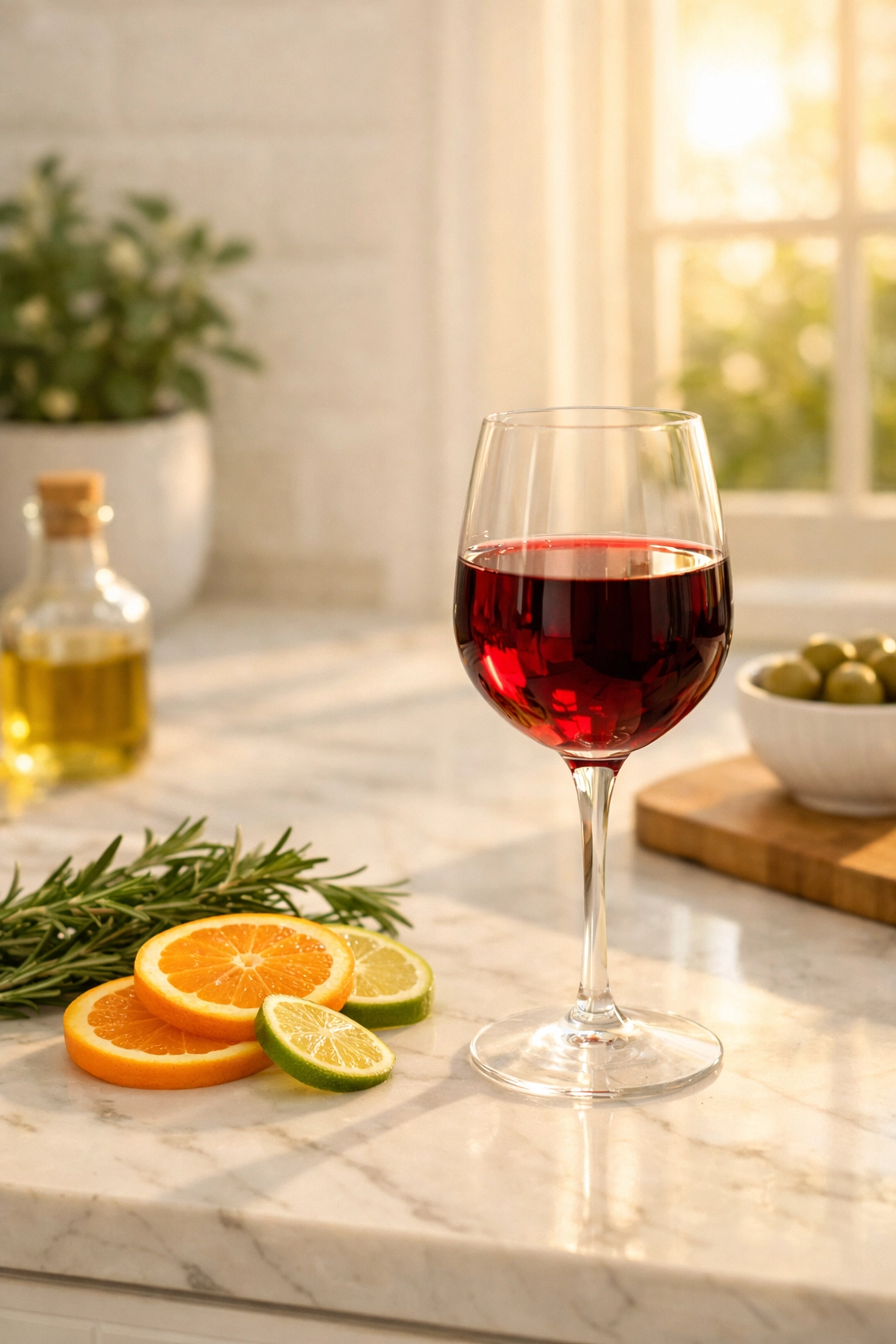
All-or-nothing thinking rarely works long-term. Instead of committing to permanent sobriety, experiment with what some call "Damp" living : significantly less alcohol, but not zero. This might mean:
- Drinking only on weekends
- Setting a two-drink maximum when you do drink
- Choosing alcohol-free options during the week
- Reserving alcohol for special occasions, not Tuesday Netflix nights
The beauty of this approach? It removes the pressure of perfection. You're not breaking a rule if you have a glass of wine at your friend's wedding. You're making intentional choices based on the moment, not rigid restrictions.
Stock Your Space Like You Mean It
You can't rely on willpower when there's a bottle of wine staring at you from the counter. Environmental design matters. If your fridge and bar cart only contain alcoholic options, you'll default to them : especially after a long day when decision fatigue hits.
Here's what to keep on hand:
- Premium non alcoholic wine (more on this below)
- Quality sparkling water with interesting flavors
- Fresh citrus for improvised mocktails
- Herbal teas that feel ceremonial, not medicinal
- NA spirits if you enjoy mixing drinks
The goal isn't to trick yourself. It's to make the lower-alcohol choice as convenient and appealing as the alcoholic one. When reaching for a drink becomes automatic, you want your environment to support the habit you're building.
Find Non-Alcoholic Wine That Actually Delivers
Let's be honest : most alcohol free wine tastes like disappointment in a bottle. Thin, overly sweet, or flat-out undrinkable. But the category has evolved dramatically. The best non alcoholic wine options now use sophisticated dealcoholization techniques that preserve the complexity, body, and finish you expect from quality wine.
This matters because you're not looking for a placeholder. You want a drink that stands on its own : something you'd choose even if alcohol wasn't a factor.
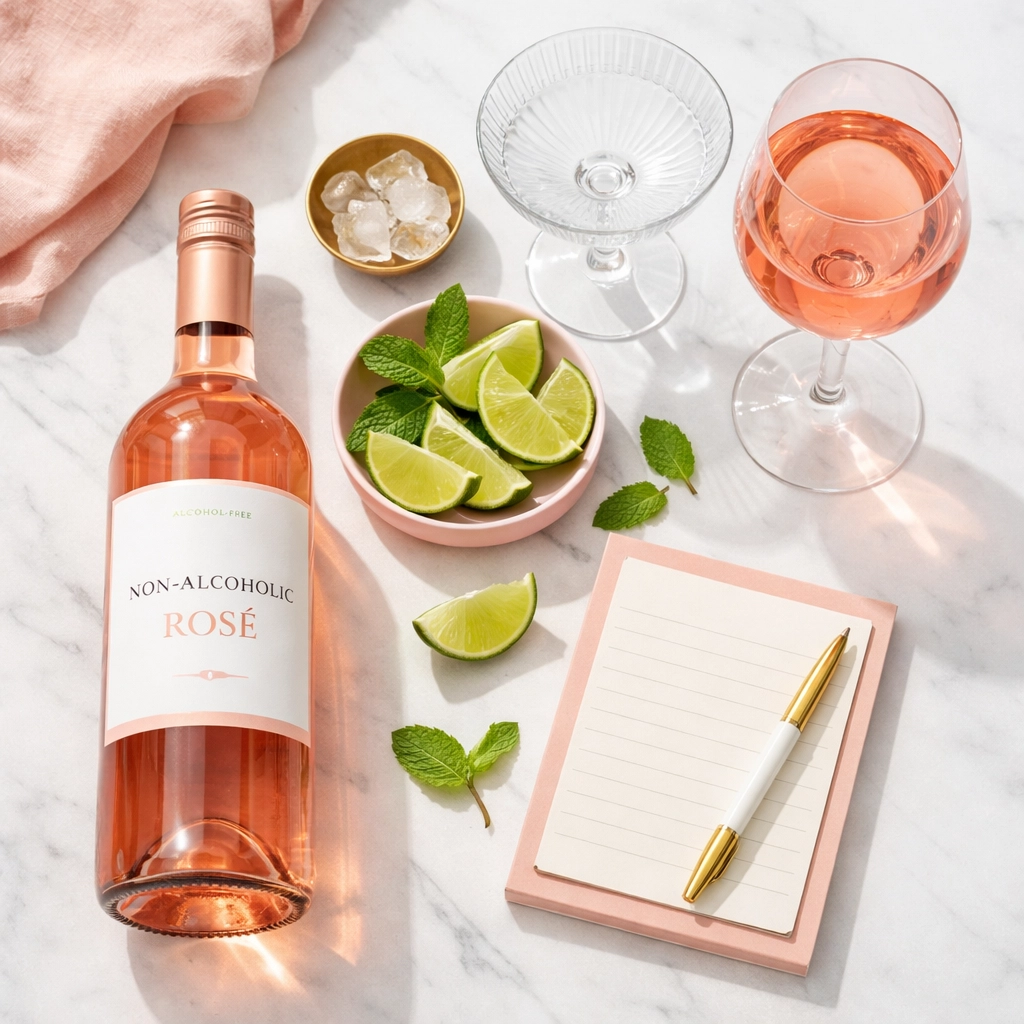
Take Muse's non alcoholic Merlot and Rosé. These aren't juice disguised as wine. They're crafted to deliver rich, layered flavors with only 25 calories and 1g of sugar per glass. That's roughly the same calorie count as kombucha, but with the sophistication of a wine you'd serve at a dinner party.
Non alcoholic red wine like Muse's Merlot works beautifully with pasta, grilled vegetables, or evening wind-down moments when you want something substantial. The non alcoholic rosé is crisp and versatile : perfect for weekend brunches, patio season, or anytime you want something refreshing without the aftermath.
The difference between maintaining a lower-alcohol lifestyle and sliding back into old patterns often comes down to this: do you have options that genuinely satisfy you? If your only choice is between wine that makes you feel sluggish or sparkling water that feels boring, you'll default to the former. But when you stock low calorie wine alternatives that taste exceptional, the choice becomes easy.

Master the Social Situations
The awkward moments will come. Someone will ask why you're not drinking. Another person will try to pressure you into "just one glass." Your usual wine night crew might make it weird.
Here's how to handle it:
Keep your answer simple. "I'm taking a break from alcohol" or "I'm keeping it light tonight" works. You don't owe anyone an explanation. The more matter-of-fact you are, the less people will push.
Suggest alcohol-free alternatives for group hangs. Morning hikes, cooking together, workout classes, museum visits : friendships don't require alcohol to thrive. If your social life is centered entirely around drinking, that's worth examining.
Bring your own. Heading to a dinner party? Bring a bottle of quality alcohol free wine. It shows you're still participating, and you might introduce others to options they didn't know existed.
Find your people. The sober-curious community is massive and growing. Whether it's online forums, local meetups, or friends who are also moderating, surrounding yourself with people who support your choices makes everything easier.
Remember Why You Started
February is when the novelty wears off. Your sleep is better, sure, but it's normalized now. Your skin cleared up, but you're used to it. The initial rush of accomplishment has faded.
This is when you need to reconnect with your reasons. Why did you want to drink less in the first place?
Maybe it was the hangovers that stole your Saturdays. Maybe it was the realization that you were using wine to cope with stress instead of addressing it. Maybe it was curiosity about who you are without alcohol softening the edges. Maybe it was health : weight management, liver function, inflammation, or mental clarity.
Write these reasons down. Revisit them when you're tempted to abandon the progress you've made. The truth is, alcohol-free living : whether full-time or part-time : isn't about deprivation. It's about choosing yourself.

Build Rituals That Don't Revolve Around Alcohol
Wine o'clock exists because we ritualize drinking. The end of the workday. The reward after a hard week. The celebration of good news. The comfort during bad news. Alcohol has embedded itself into the structure of our days.
To maintain a lower-alcohol lifestyle, you need replacement rituals:
- Evening walks instead of evening cocktails
- A fancy tea service instead of wine with dinner
- Mocktail making as a creative practice
- A glass of non alcoholic rosé to mark the transition from work to rest
The ritual is what matters : the signal to your brain that you're shifting gears, relaxing, celebrating. Alcohol was never the point. It was just the delivery mechanism. When you find new mechanisms that serve you better, the craving for alcohol diminishes naturally.
Make It Easy to Sustain
Complexity kills habits. If your lower-alcohol lifestyle requires constant vigilance, you'll burn out. Instead, automate as much as possible:
- Subscribe to deliveries of your favorite non alcoholic wine canada options so you never run out
- Set calendar reminders for the days you've decided to drink vs. stay alcohol-free
- Prep go-to mocktail ingredients on Sundays
- Keep a running note on your phone of alcohol-free activities you enjoy
The less mental energy you spend maintaining this choice, the more sustainable it becomes.
This Isn't About Perfection
You'll have nights where you drink more than you planned. Weddings. Bad days. Moments of weakness. That's not failure : it's being human.
The difference between someone who maintains a lower-alcohol lifestyle and someone who doesn't isn't perfection. It's the ability to course-correct without shame spiraling. One night of overindulging doesn't erase weeks of progress. It's just one night.
What matters is the pattern. And if your pattern shifts from drinking six nights a week to two or three : with thoughtful, high-quality alternatives filling the gaps : you've fundamentally changed your relationship with alcohol.
The Bottom Line
Dry January gave you a glimpse of what's possible. Now it's your job to decide what you want to keep.
Maybe you go full alcohol-free. Maybe you adopt a damp approach. Maybe you become someone who drinks only on special occasions, savoring each glass with intention instead of habit.
Whatever you choose, make sure you're supported by the right tools. Quality best non alcoholic wine, genuine social support, environmental design that works with you instead of against you, and the self-compassion to know that progress isn't linear.
You did Dry January. Now go build Dry-ish Forever.